How to Package Fragile Items for International Shipping
Proper packaging is the first line of defence against damage during international shipping. Learn the best practices for protecting fragile items from collection to delivery.
International shipping exposes packages to multiple stages of handling, transportation, and storage. Fragile items such as glassware, ceramics, artwork, electronics, and decorative products require extra protection to ensure they arrive safely at their destination.
Whether you're shipping personal belongings or commercial products, proper packaging significantly reduces the risk of damage and costly replacements.
Why Proper Packaging Matters
Every international shipment passes through several handling points before reaching its final destination. Packages may be loaded onto trucks, aircraft, cargo vessels, and sorting facilities, where they can experience vibration, stacking pressure, and accidental impacts.
Well-packaged items are more likely to withstand these conditions without damage.
Proper packaging also helps:
Reduce insurance claims.
Improve customer satisfaction.
Lower replacement costs.
Minimise shipping delays caused by damaged goods.
Investing in quality packaging materials is often far less expensive than replacing damaged items.
Choose the Right Packaging Materials
The quality of your packaging materials plays a major role in protecting fragile items.
Recommended materials include:
Double-wall corrugated cardboard boxes.
Bubble wrap.
Foam sheets.
Packing peanuts.
Air cushions.
Packing paper.
Strong packing tape.
Avoid using damaged or previously crushed boxes, as they provide less protection during transport.
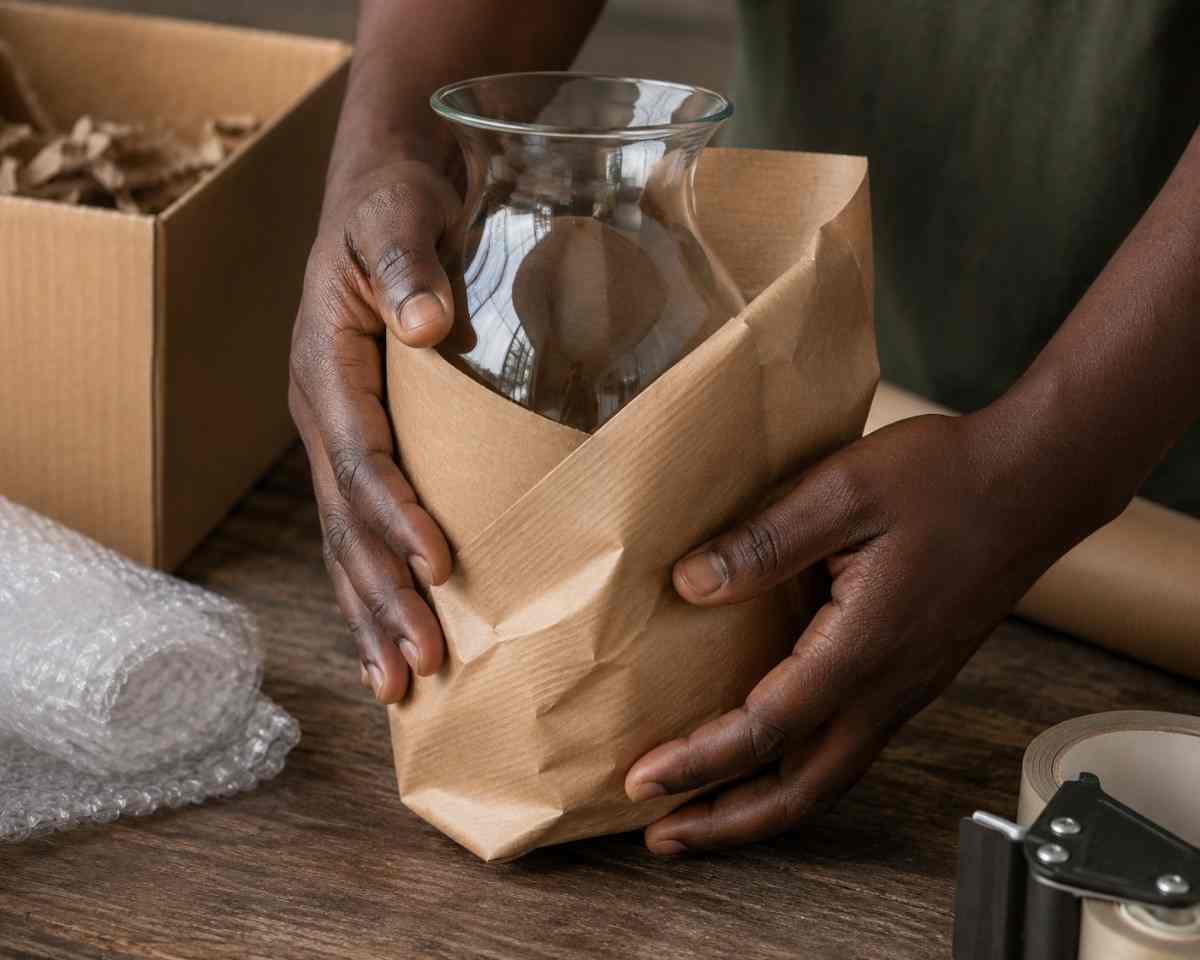
Wrap Each Item Individually
Every fragile item should be wrapped separately before being placed inside the shipping box.
For best results:
Wrap the item in several layers of bubble wrap.
Secure the wrap with tape.
Cover delicate edges and corners with additional padding.
Place heavier items at the bottom of the box.
Ensure items cannot touch each other directly.
Individual wrapping prevents items from colliding during transportation.
Eliminate Empty Space
One of the most common causes of shipping damage is movement inside the package.
Fill all empty spaces using:
Packing peanuts.
Foam inserts.
Air pillows.
Crumpled packing paper.
The contents should remain firmly in place even when the box is gently shaken.
If movement is detected, add additional cushioning before sealing the package.
Seal and Label the Package
After packing the contents securely:
Seal every opening with strong packing tape.
Reinforce the bottom of the box.
Apply "Fragile" labels where appropriate.
Include the shipping label in a clearly visible location.
Place a copy of the shipping documentation inside the package.
Although fragile labels encourage careful handling, they should never replace proper protective packaging.
Common Packaging Mistakes
Many damaged shipments result from avoidable packaging errors.
Common mistakes include:
Using boxes that are too large.
Leaving empty spaces inside the package.
Using insufficient cushioning.
Reusing weak or damaged boxes.
Packing multiple fragile items without separation.
Failing to protect corners and edges.
Avoiding these mistakes greatly improves the chances of safe delivery.
Should You Purchase Shipping Insurance?
For valuable or irreplaceable items, shipping insurance provides additional peace of mind.
Insurance is recommended for:
Electronics.
Artwork.
Antiques.
Glass products.
Jewellery.
Commercial inventory.
Although good packaging reduces the likelihood of damage, insurance protects against unforeseen circumstances during international transport.
Why Choose Kassongo Express?
Kassongo Express understands that every shipment is valuable.
Our experienced logistics team offers:
Professional packaging advice.
Secure international shipping.
Cargo insurance options.
Real-time shipment tracking.
Customs support.
Reliable worldwide delivery.
We help customers prepare shipments correctly before they begin their journey, reducing the risk of damage throughout transit.
Final Thoughts
Proper packaging is one of the most important steps in successful international shipping. By using strong boxes, quality cushioning materials, and proven packing techniques, you can significantly reduce the risk of damage while improving delivery reliability.
Whether you're sending a single fragile gift or shipping commercial products worldwide, careful preparation helps ensure your items arrive safely and in excellent condition.
Call to Action
Need help shipping fragile items internationally? Contact Kassongo Express today for expert packaging advice and dependable worldwide shipping solutions.